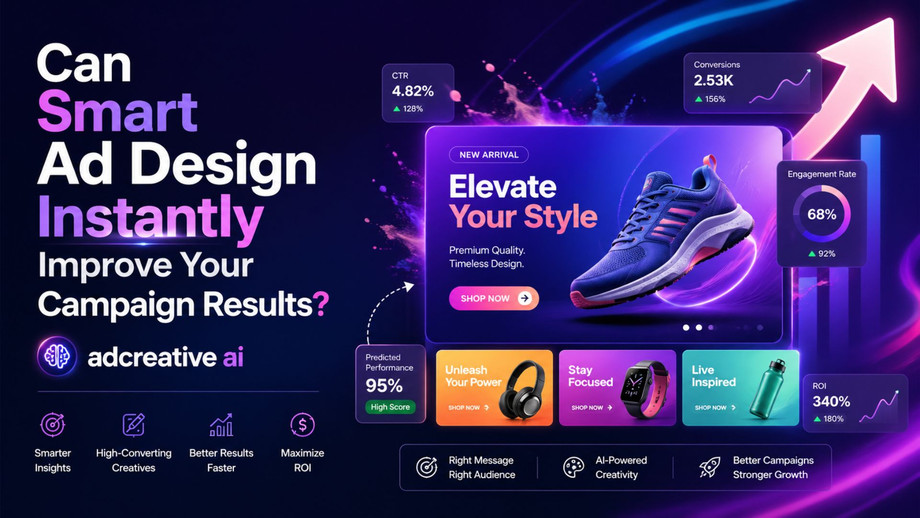
In today’s fast-moving digital world, grabbing attention is harder than ever. What if your ad visuals and messaging could instantly connect with your audience and drive better results? That’s where AdCreative AI becomes a game-changing concept. Businesses are constantly searching for ways to create compelling ads that not only look good but also convert. The key lies in understanding what works, why it works, and how to consistently deliver high-performing creatives. This article explores how smarter ad design strategies can transform your campaigns, boost engagement, and improve overall performance without relying on guesswork.
Ad creatives are more than just visuals; they are the first impression your brand makes. A well-designed ad captures attention, communicates value, and encourages action within seconds. In a crowded digital space, users scroll quickly, making it essential for creatives to stand out instantly.
Effective ad design combines strong visuals, clear messaging, and emotional appeal. Colors, typography, and imagery must align with your brand identity while also resonating with your target audience. Additionally, clarity is crucial as ads should communicate a single message rather than overwhelming viewers with too much information.
Consistency also plays a major role. When your creatives maintain a recognizable style across campaigns, it builds trust and familiarity. This leads to higher engagement and better recall. Ultimately, high-quality ad creatives are not just about aesthetics; they directly influence click-through rates, conversions, and overall campaign success.
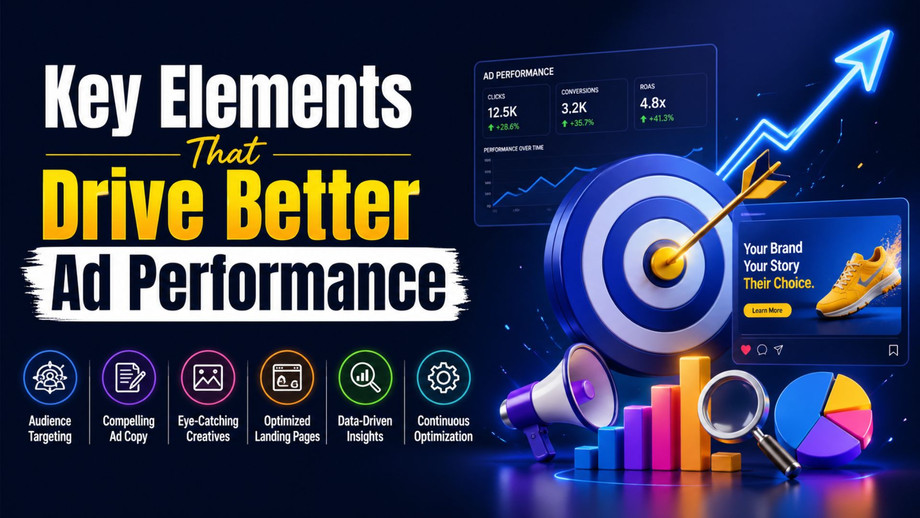
To create ads that perform well, certain elements must be carefully crafted. First, the headline should be clear and attention-grabbing. It needs to address a problem or promise a benefit immediately. Second, visuals should be relevant and appealing, supporting the message rather than distracting from it.
Another critical factor is audience targeting. Understanding your audience’s preferences, behavior, and pain points helps in designing creatives that truly connect. Personalization can significantly increase engagement, as users are more likely to respond to content that feels tailored to them.
Call-to-action (CTA) is equally important. A strong CTA guides users on what to do next, whether it’s signing up, purchasing, or learning more. Simple and direct phrases tend to work best.
After analyzing these elements, many marketers refine their strategies using insights from adcreative AI, allowing them to continuously improve performance and adapt to changing trends without relying on trial and error.
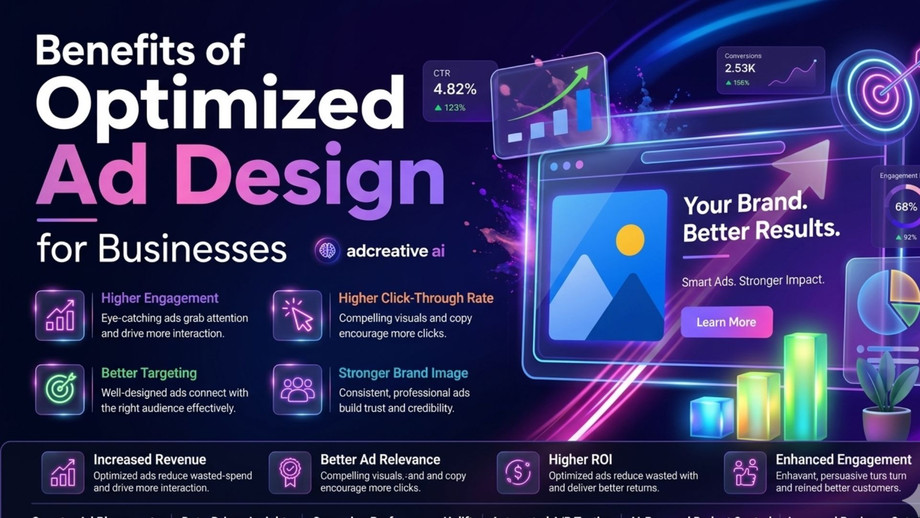
Optimized ad design offers multiple advantages for businesses of all sizes. One of the most significant benefits is improved return on investment (ROI). When ads are designed effectively, they attract the right audience and convert more efficiently, reducing wasted spend.
Another advantage is faster campaign execution. With a structured approach to design, businesses can create multiple variations quickly, test them, and identify what works best. This leads to more informed decision-making and better results over time.
Brand consistency is also strengthened through optimized creatives. When ads maintain a cohesive look and feel, they reinforce brand identity and build trust with the audience. This consistency can lead to long-term customer loyalty.
Additionally, well-designed ads enhance user experience. Clear messaging and visually appealing content make it easier for users to understand your offer, leading to higher engagement and satisfaction.
Creating high-converting ads requires a balance of creativity and strategy. Start by focusing on simplicity, avoiding clutter, and keeping your message concise. A clean design ensures that users can quickly understand your offer.